Choosing between ocean freight and air freight depends on several factors, including shipment size, delivery timeline, budget, cargo type, and destination. Both transportation methods play an important role in international logistics, but each offers different advantages. Understanding the differences can help businesses select the most suitable option for every shipment.
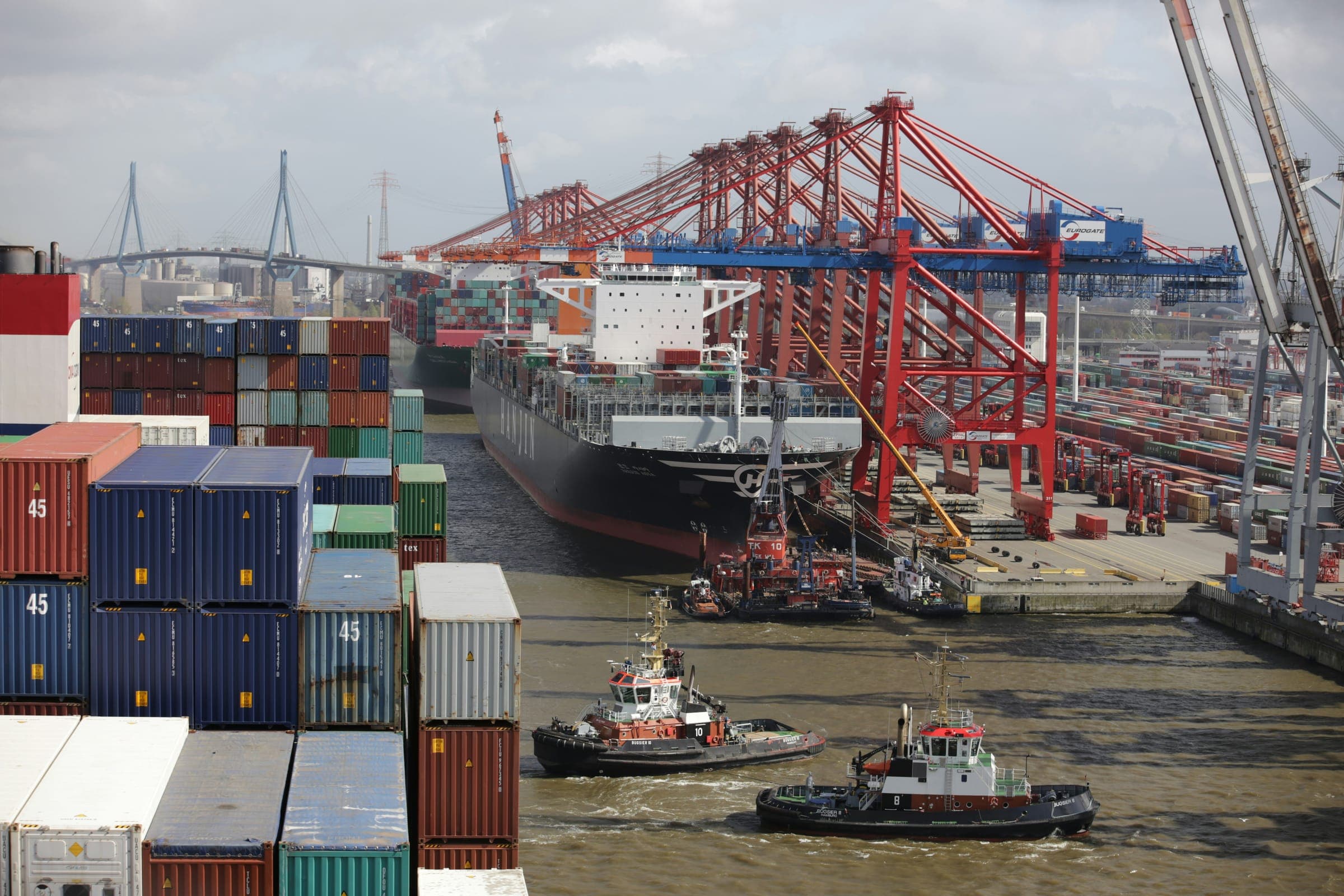
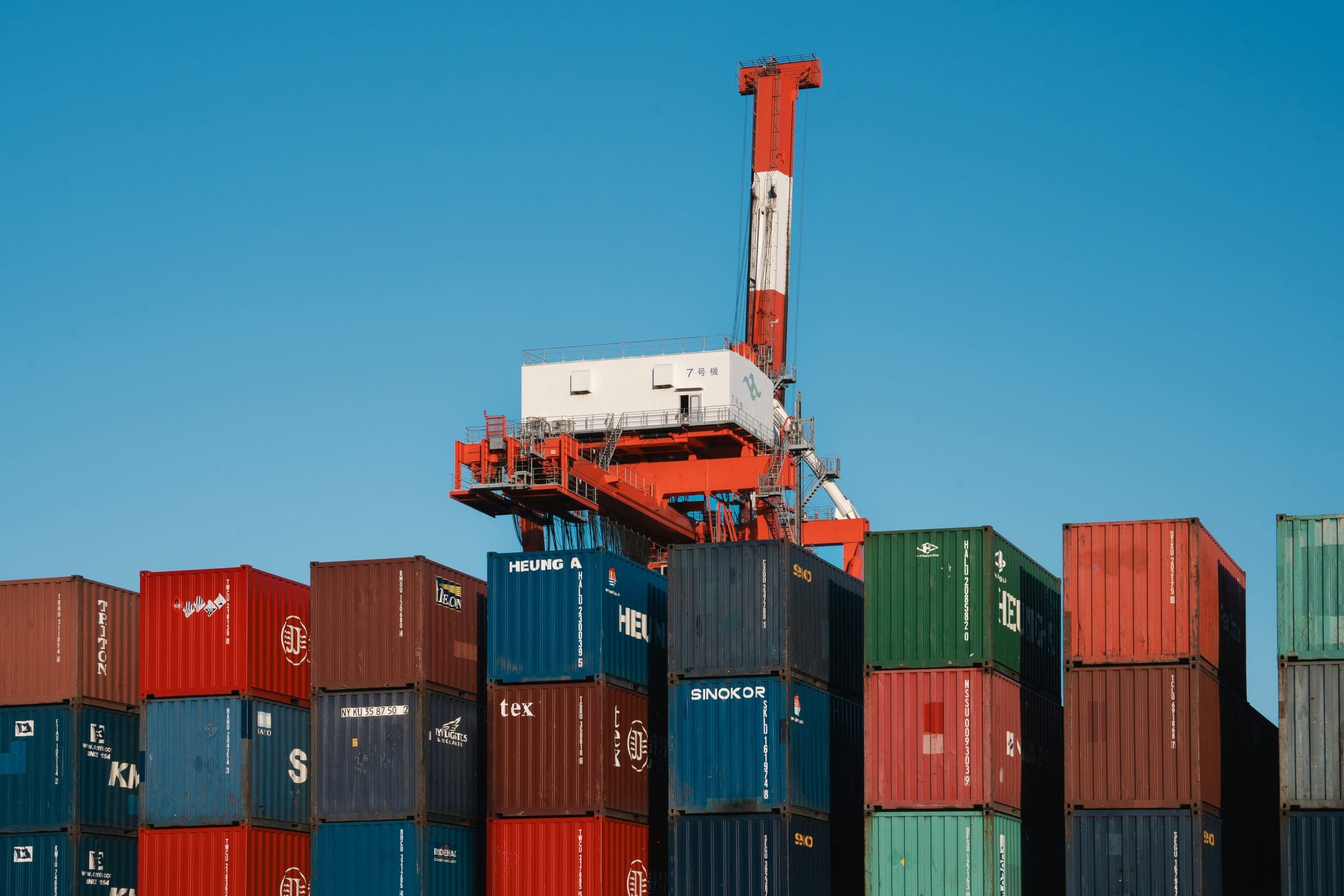
Ocean freight is generally a cost-effective choice for businesses moving large or heavy volumes of cargo internationally. Containers can accommodate significant quantities of products, making ocean shipping suitable for manufacturing equipment, furniture, retail inventory, raw materials, and other high-volume goods. The main trade-off is that ocean freight typically requires longer transit times.
Air freight is designed for shipments where speed is a priority. Cargo can reach international destinations much faster than by ocean, making it useful for urgent orders, high-value products, electronics, medical supplies, samples, and time-sensitive inventory. However, faster transportation generally comes with higher costs, particularly for large or heavy shipments.
Shipment size should be one of the first factors considered when choosing between the two. Large-volume shipments are often more economical by ocean, while smaller and time-sensitive shipments may benefit from air transportation. Businesses should also consider the weight and dimensions of their cargo because these factors can significantly influence the final transportation cost.
Delivery deadlines are equally important. If a shipment can take several weeks to arrive, ocean freight may provide better overall value. When inventory is urgently needed or customers expect rapid delivery, air freight may be worth the additional expense. Businesses should compare the required delivery date with realistic transit times before making a decision.
Cargo characteristics can also influence the choice. High-value, perishable, fragile, or time-sensitive goods may benefit from the speed and controlled handling associated with air freight. Less time-sensitive products and bulk cargo are often better suited to ocean transportation, particularly when minimizing transportation costs is a priority.
Businesses should also consider the complete logistics journey rather than focusing only on the main transportation method. Pickup, port or airport handling, customs clearance, warehousing, inland transportation, and final delivery can all affect the total cost and delivery time. A freight forwarder can help coordinate these stages and recommend the most efficient overall solution.
Ultimately, there is no single best option between ocean and air freight. Ocean freight is generally the better choice when cost and shipment volume are the main priorities, while air freight is more suitable when speed and urgency matter most. By evaluating cost, timing, cargo requirements, and the complete delivery journey, businesses can choose the transportation method that best supports their supply chain.